InclEdu4AllNeeds Final Conference Highlights the Crucial Role of Social Dialogue in Inclusion of Persons with Disabilities in Education and Teaching Profession
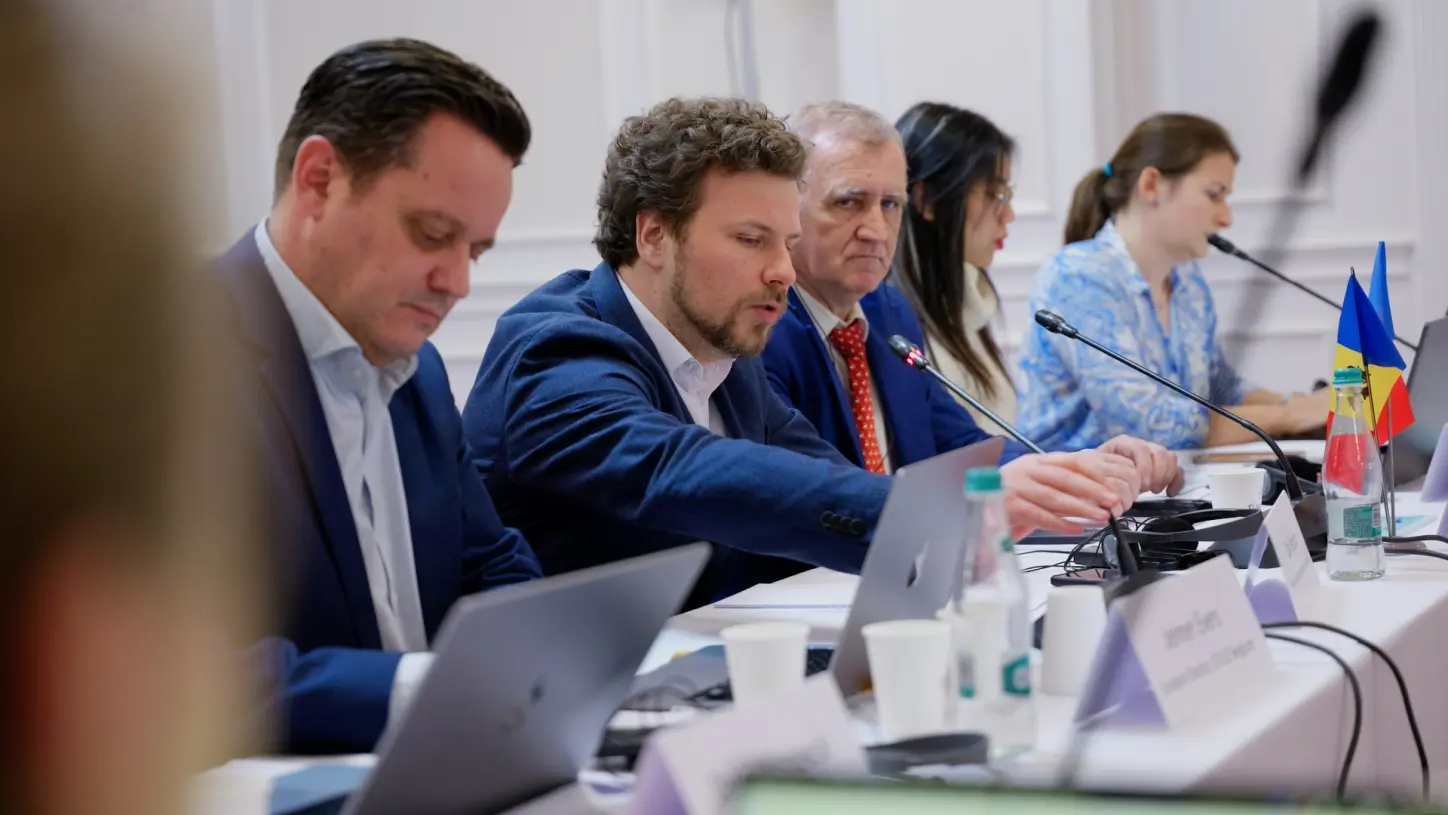
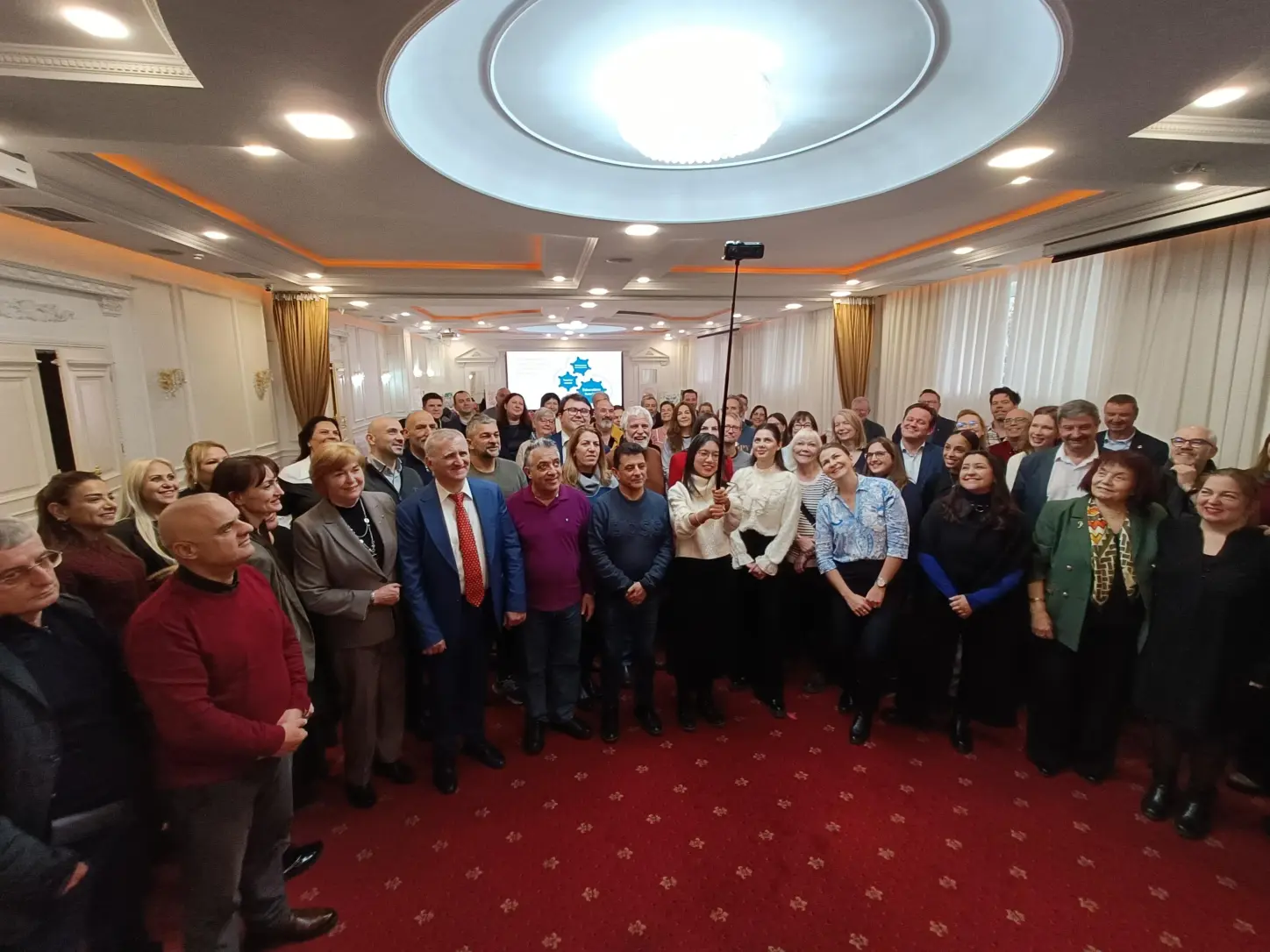
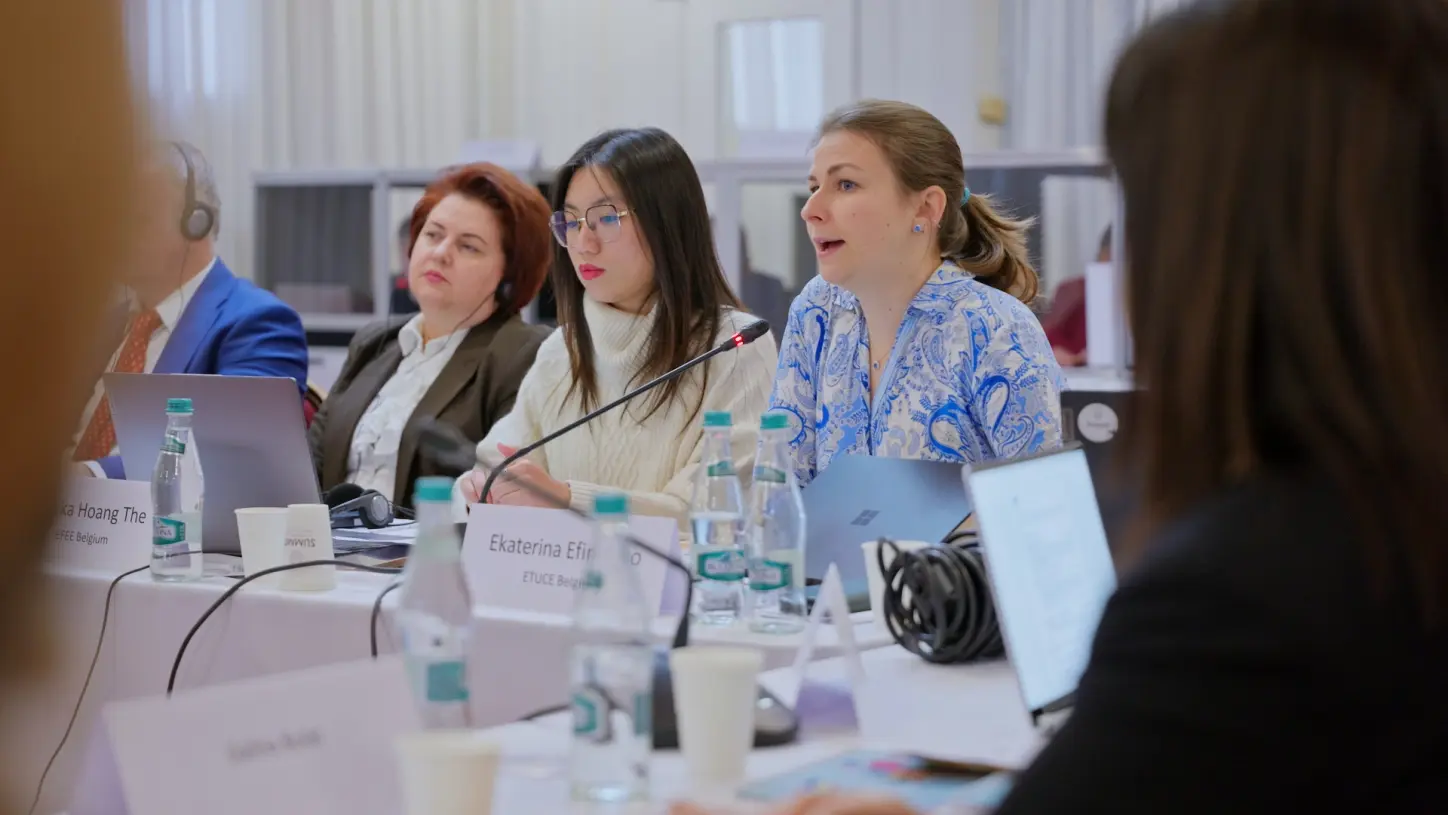
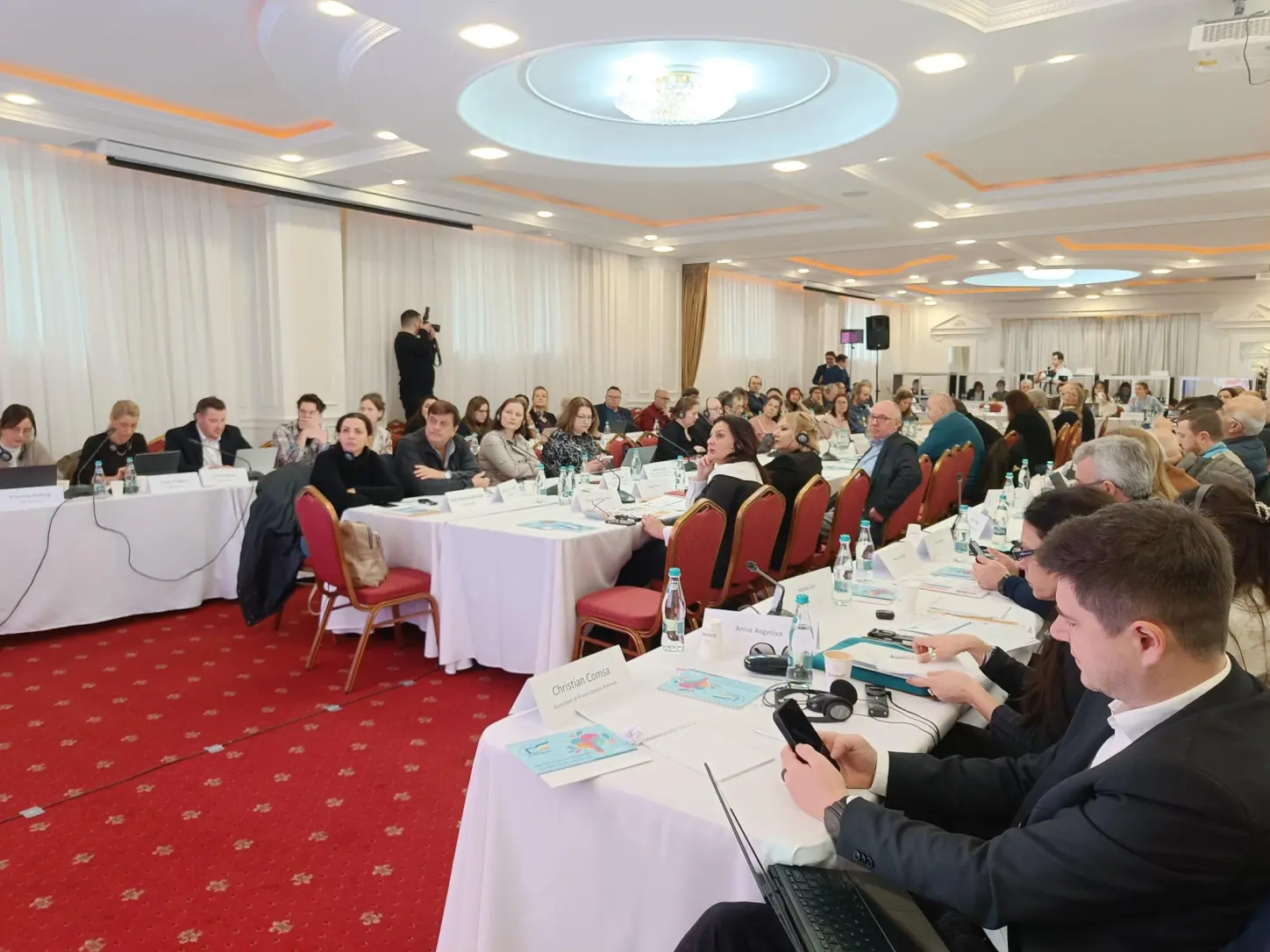
On 28–29 January 2026, ETUCE and EFEE held the final conference of the joint project InclEdu4AllNeeds – Inclusive education for all needs in Chișinău, Moldova. The conference brought together education trade unions, education employers, public authorities, international organisations and researchers from across Europe to reflect on project outcomes and to strengthen the role of European Sectoral Social Dialogue in Education in promoting the inclusion of students with special educational needs and disabilities and education personnel with disabilities.
The event was hosted with the support of the Education and Science Trade Union Federation of Moldova, underlining the country’s ongoing efforts to align inclusive education policies with European and international standards. Opening the conference, Dan Perciun, Minister of Education and Research of Moldova, and Ghenadie Donos, President of the Education and Science Trade Union Federation of Moldova, highlighted the importance of long-term cooperation, social dialogue and sustained investment to build a fair and inclusive education system, particularly in the context of recent crises affecting children and education systems.
Research findings: inclusion requires systemic change and social dialogue
A central element of the conference was the presentation of research findings developed within the project, presented by Dr Alison Milner (Aalborg University). The research examined how social dialogue can support inclusive education policies and practices across Europe, focusing on both students with special educational needs and disabilities and education personnel with disabilities.
The findings confirm that inclusive education remains unevenly implemented across Europe and is often hindered by insufficient funding, teacher shortages, lack of professional development, and structural barriers within education systems. Students with disabilities continue to face higher risks of early school leaving, exclusion from education and training, and lower educational attainment.
At the same time, the research highlighted that inclusive education cannot be achieved without inclusive employment practices. Education personnel with disabilities remain significantly underrepresented in the profession and face persistent barriers, including inaccessible workplaces, negative attitudes, limited disclosure due to fear of discrimination, and narrow definitions of professional “competence”.
The project factsheets presented at the conference call for education social partners to embed disability rights across teacher policies, recruitment, employment and social dialogue, ensuring full participation of disabled people and alignment with the UN CRPD through transparent monitoring and accountability. They also stress the need for adequate funding, inclusive-by-design physical and digital environments, data-informed policymaking, targeted training and awareness-raising, so that education workplaces enable the full inclusion, equality and professional contribution of education personnel with disabilities.
Films showcasing social dialogue in practice
Participants also viewed short project films illustrating concrete social dialogue practices from different national contexts ( Germany, Romania, Belgium and Portugal). The films demonstrate how education trade unions and employers are working together to promote inclusion through collective bargaining, joint policy development, awareness-raising and cooperation with public authorities and civil society organisations.
Joint guidelines: a roadmap for inclusive education systems
Conference participants worked on designing and validating the major outcome of the project - joint ETUCE–EFEE guidelines for inclusion of persons with special needs in education and teaching profession, which are to be finalised and adopted at the next meeting of the ESSDE. The guidelines provide a shared framework and concrete recommendations for social partners in education at European, national, regional and local levels. They also represent an important and necessary first step towards collaborative, coordinated action and serve as a critical lens though which social partners in education can monitor and evaluate their progress over time.
Looking ahead
In the closing session, John MacGabhann, ETUCE President, and Zoltán Dubéczi, EFEE Executive Committee Member, reaffirmed the commitment of European education social partners to continue working together to promote inclusive, high-quality education for all. They underlined that the project outcomes – research, films and joint guidelines – provide a strong basis for future advocacy, capacity building and policy development at both European and national levels.
The InclEdu4AllNeeds project demonstrates that inclusive education is not only a policy objective, but a shared social responsibility, and that strong, well-resourced social dialogue is essential to ensure that no learner and no education worker is left behind.