Enhancing Teacher Attractiveness Through Social Dialogue: Highlights from the EastSD Peer Learning Activity in Chișinău
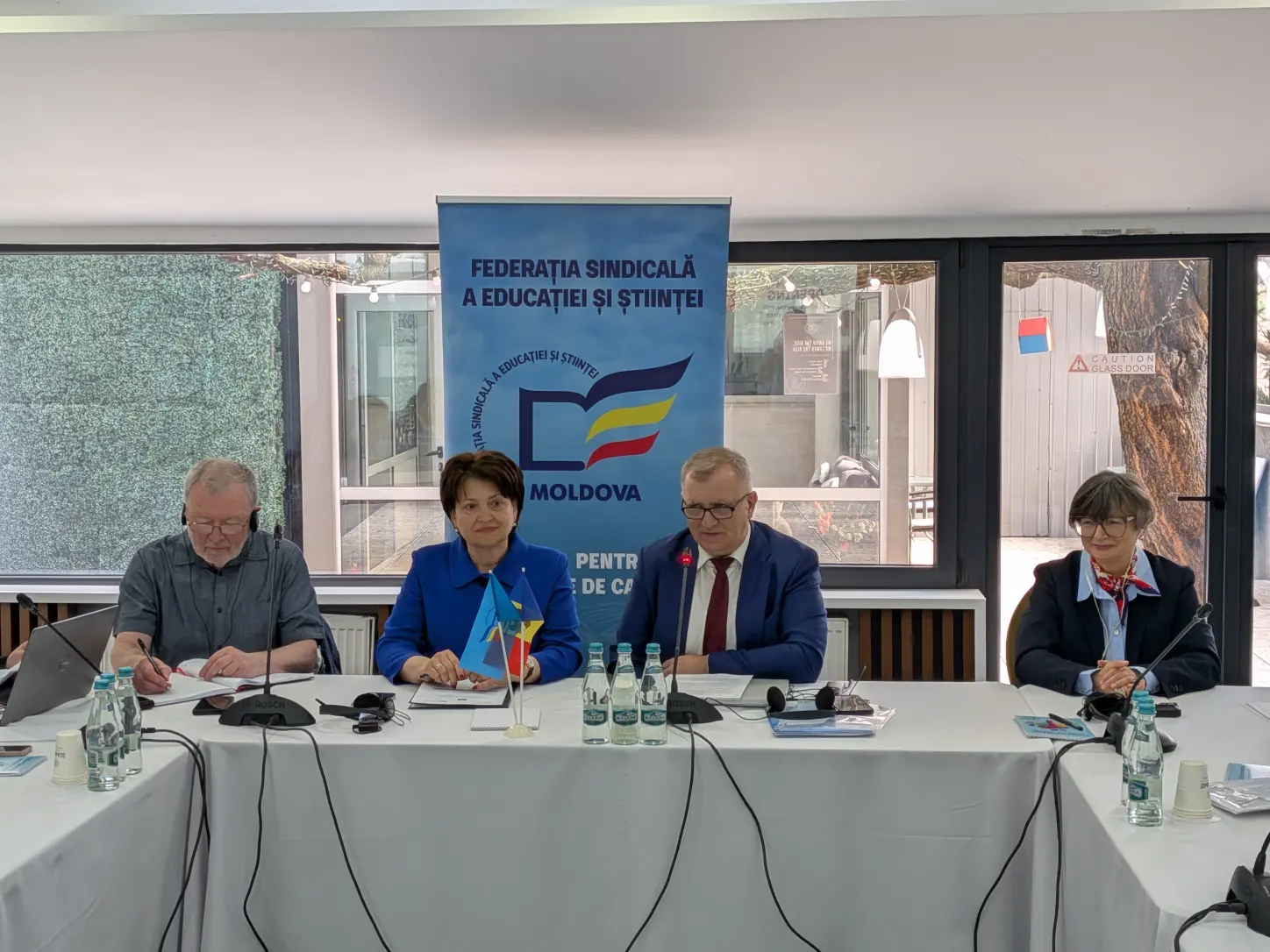
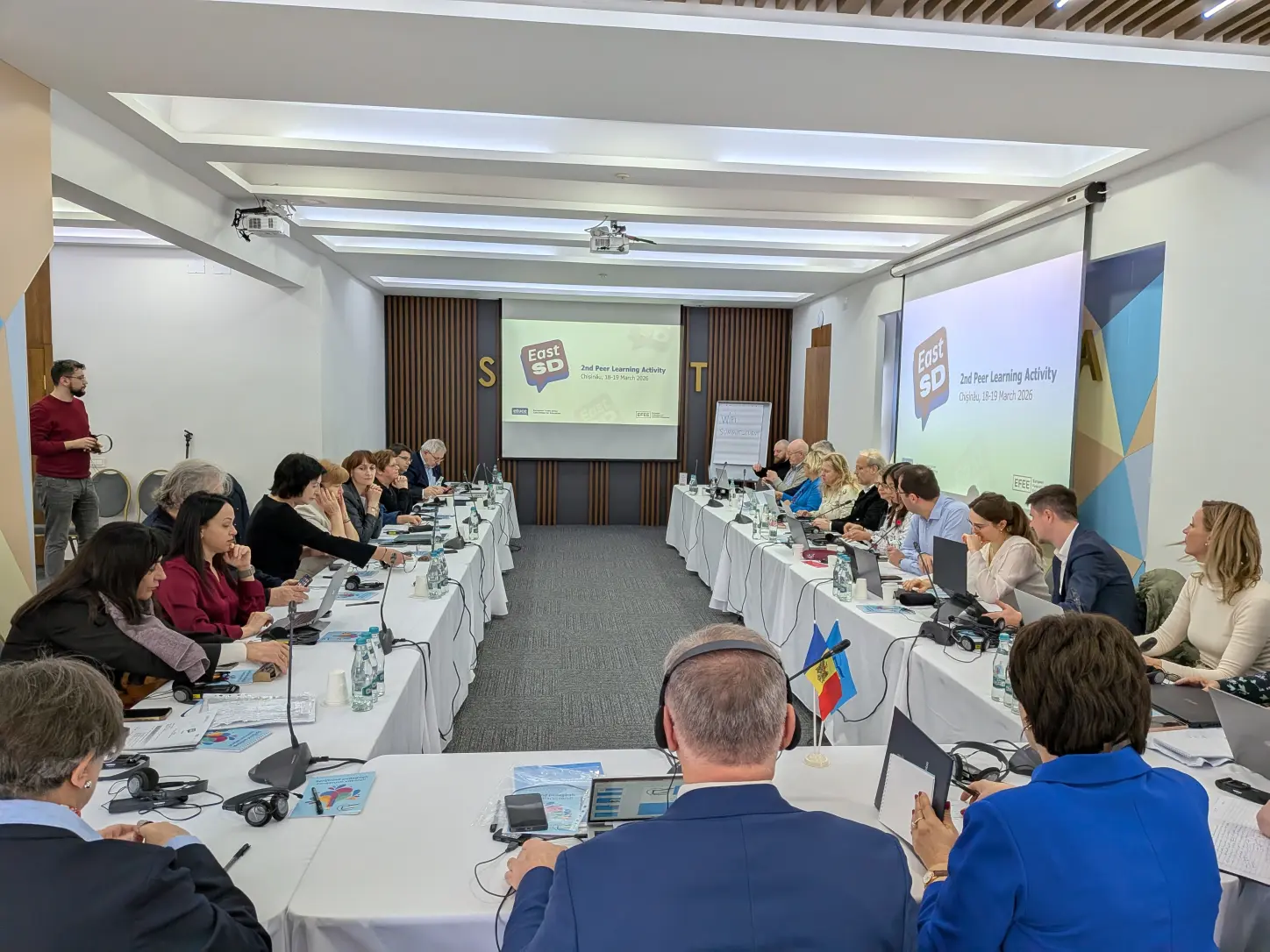
On 18 and 19 March 2026, education social partners from the
Western Balkans and Eastern Partnership regions met in Chișinău, Moldova, for
the second Peer Learning Activity of the EastSD project, Enhancing the
attractiveness of the teaching profession through strengthened Social Dialogue.
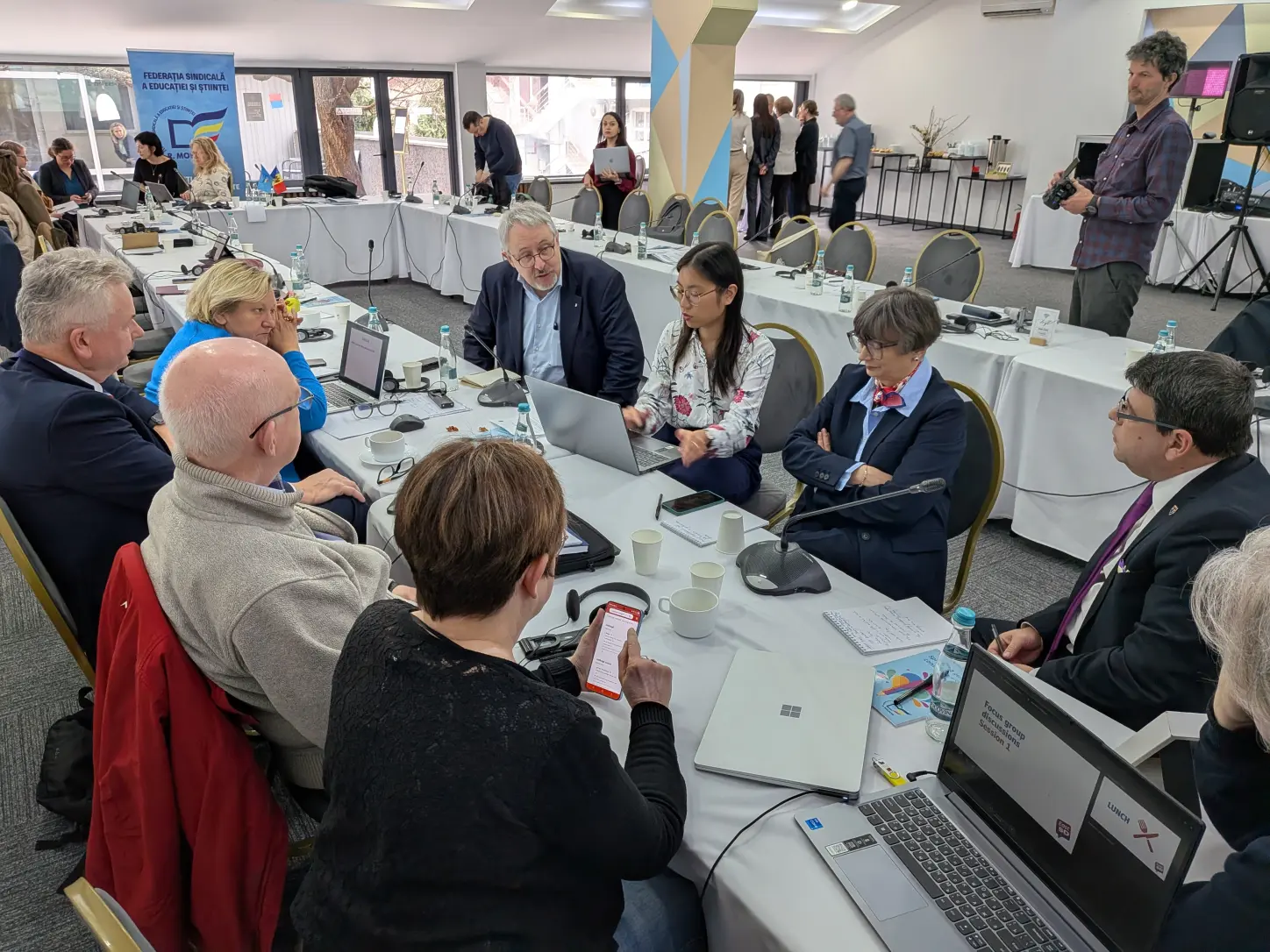
Representatives of trade unions, employers, policymakers and local stakeholders
exchanged experiences and looked at how cooperation can support better working
conditions and stronger education systems.
The meeting opened with exchanges between Moldova and
Slovenia on the current challenges facing the teaching profession. Participants
agreed that improving the attractiveness of teaching requires strong and
structured social dialogue that works in practice, not only on paper.
Discussions highlighted the need for trust, continuity and genuine
participation of all partners, supported by clear national mechanisms and
regular consultation.
Teacher attractiveness remained a central theme. Delegations
pointed to salary disparities, heavy workload and demographic pressures as key
obstacles. The Moldovan experience illustrated targeted measures such as
incremental salary increases, financial support for early career teachers and
incentives for new entrants. Efforts to simplify administrative procedures and
reduce the bureaucratic load were also recognised as essential steps to improve
working conditions and teacher well‑being.
Professional development policies were another area of
common interest. Investments in training related to digitalisation, inclusion
and migration were viewed positively, especially as more programmes shift to
publicly funded models. Slovenia presented reforms that extend career pathways
and introduce new professional titles, providing recognition and helping retain
experienced teachers.
Digitalisation generated active debate. While digital tools
offer new opportunities for teaching, participants noted their impact on
workload and the growing need to protect rest time through clear rules on
communication outside working hours. The Right to Disconnect was identified as
an emerging issue that should be more firmly integrated into social dialogue
and collective bargaining.
The second day was hosted by a vocational school in
Chișinău, where participants took part in a roundtable with school management,
union representatives, students, parents and community partners. Their exchange
highlighted the value of inclusive dialogue at school level and the shared
responsibility of all actors in creating supportive and attractive working
environments.
Overall, the Chișinău activity confirmed that both ETUCE and
EFEE share a commitment to strengthening social dialogue and improving the
attractiveness of the teaching profession. The exchanges showed how national
experiences can inspire progress across the region and how cooperation between
social partners remains essential to supporting educators and building
sustainable education systems.