LŠMPS Congress: A Union Not Waiting for Change, But Shaping It
Modernizing Education Through Digital Innovation and International Solidarity
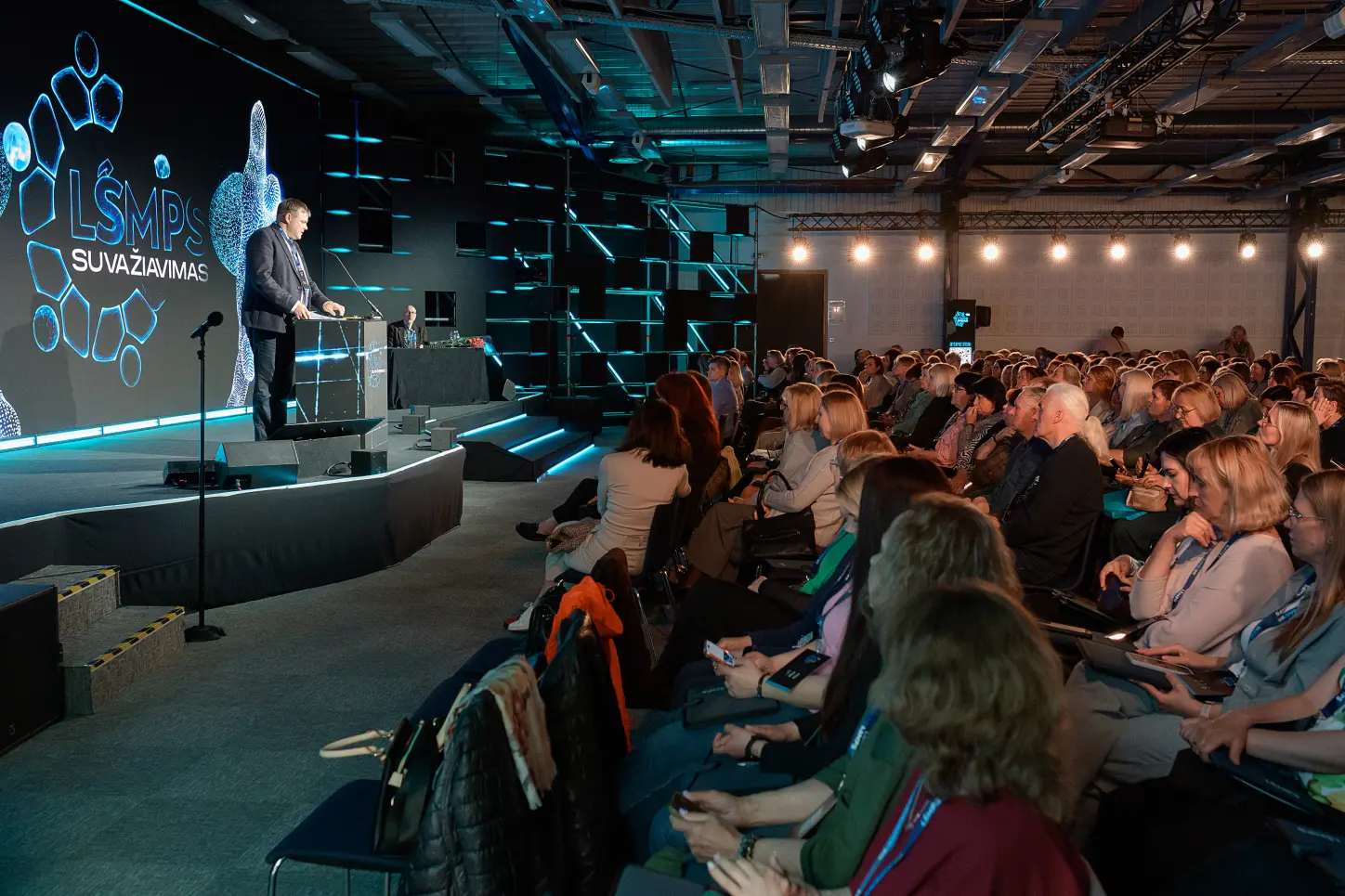
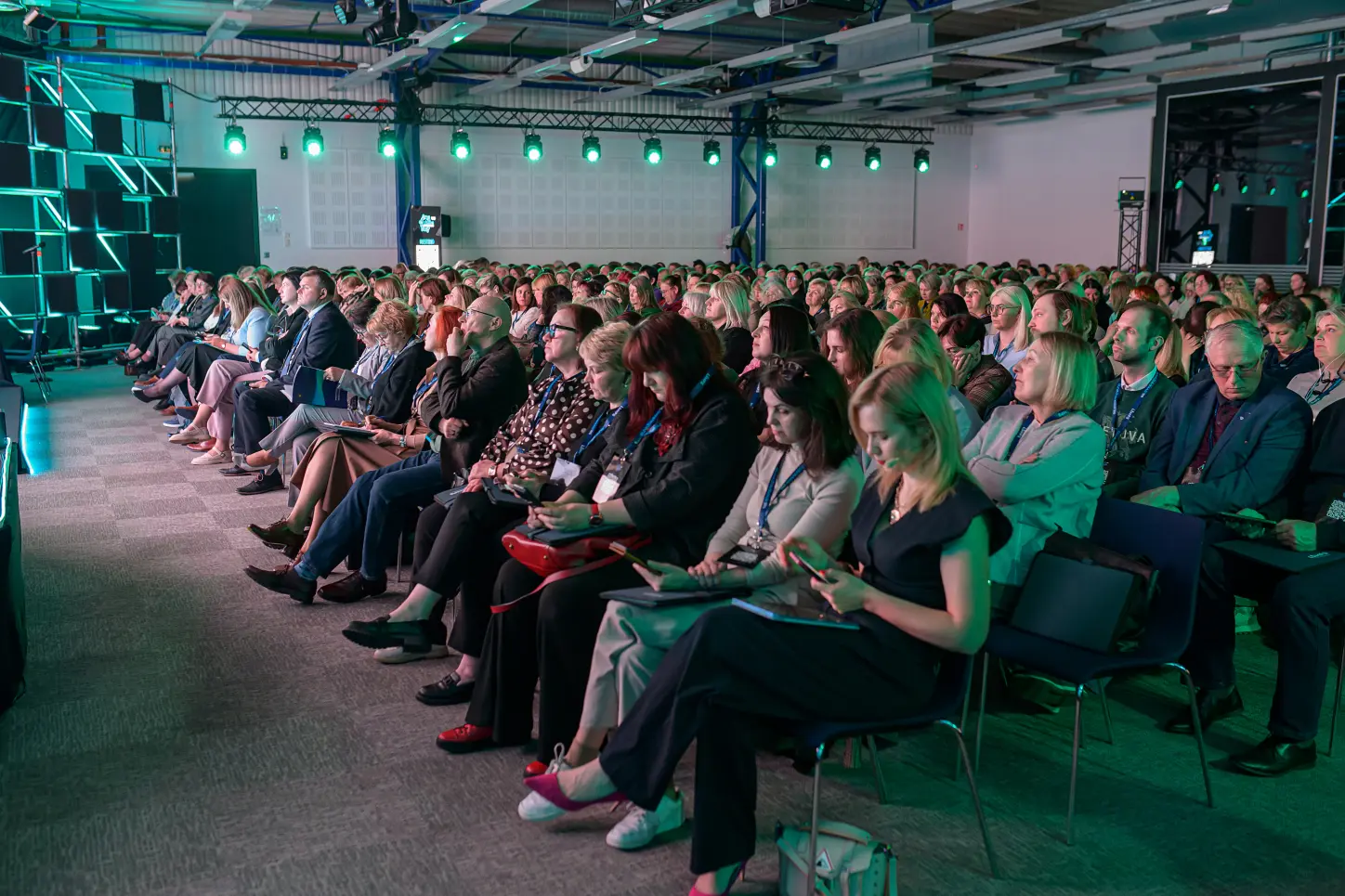
On 05/14/2026, the Lithuanian Education and Science Trade Union (LŠMPS) held its quadrennial Congress at the LITEXPO Exhibition and Congress Centre in Vilnius. The event drew nearly 500 delegates from across Lithuania, all gathered to shape the future of the education profession.
This year’s Congress was anchored in digitalisation and artificial intelligence (AI) integration. These themes were woven into both the debates and the event itself, with innovative visual solutions, AI-assisted presentations, video reports, and a dynamic laser show transforming the congress hall into a space emblematic of 21st-century education.
The event attracted strong political recognition. Among the guests were the Prime Minister of Lithuania, Inga Ruginienė, the Minister of Education, Science and Sports, Raminta Popovienė, and representatives from the President’s Office and the Parliament (Seimas). In their addresses, state leaders praised LŠMPS for its clear vision, strong leadership, and expertise in offering constructive solutions for national education policy.
The Human Connection Remains Paramount
The keynote speech, “The Future of Education in the AI Era: Teacher Leadership and the Human Connection,” was delivered by Mike Thiruman, General Secretary of the Singapore Teachers' Union. He emphasized that while technology accelerates tasks, it cannot replace the trust, support, and moral guidance provided by teachers.
"Technology can process data and accelerate tasks, but it will never replace the trust, support, and moral guidance provided by a teacher."
— Mike Thiruman, General Secretary of the Singapore Teachers' Union
LŠMPS firmly believes in preserving the core human element, empowering teachers to use AI confidently and creatively.
International Cooperation and a Historic Agreement
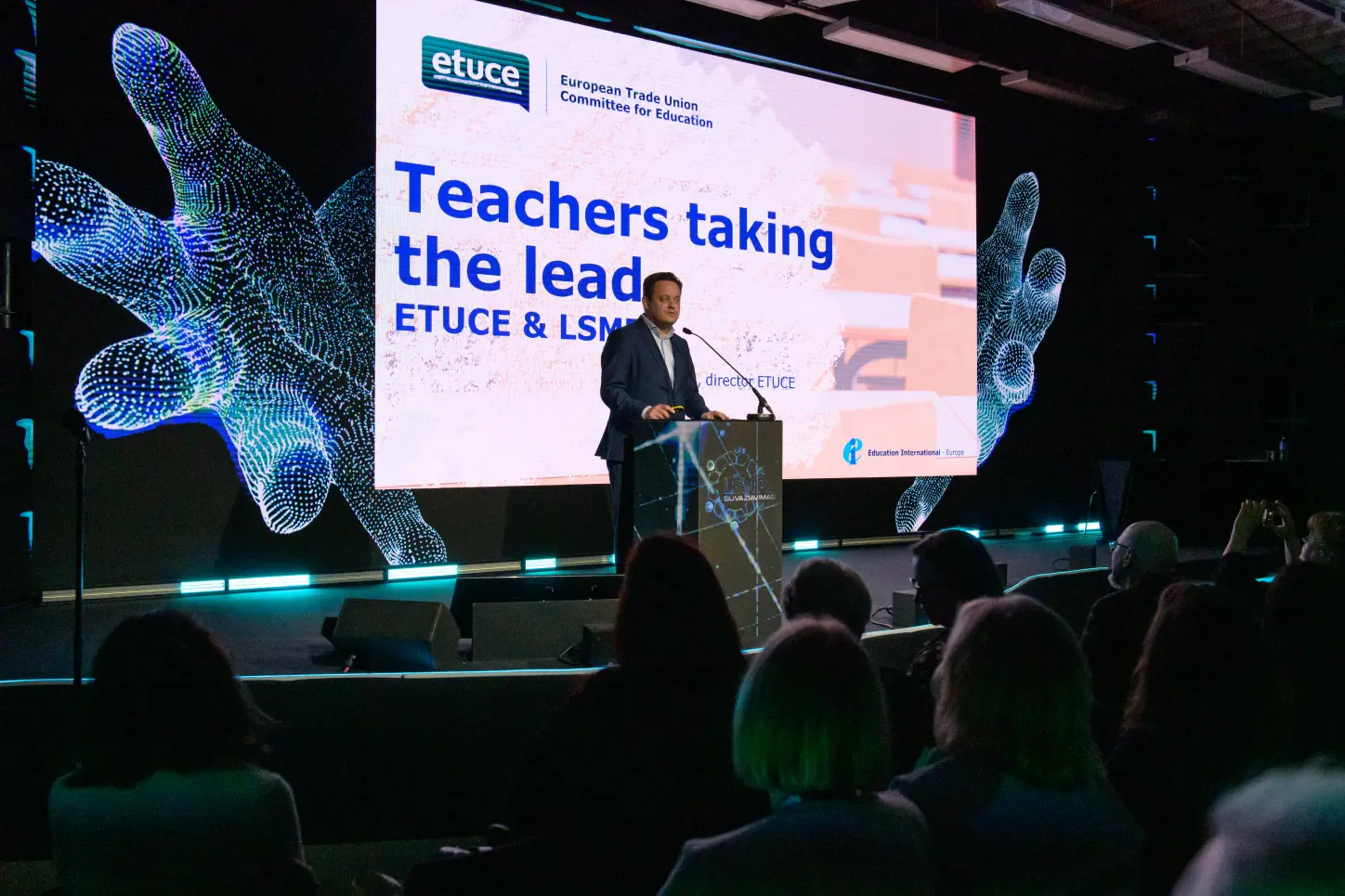
ETUCE Director Jelmer Evers commended LŠMPS’s growth, modernity, and effectiveness in bridging national and European education policy.
Regional solidarity was strengthened by education union delegations from Latvia, Estonia, and Ukraine.
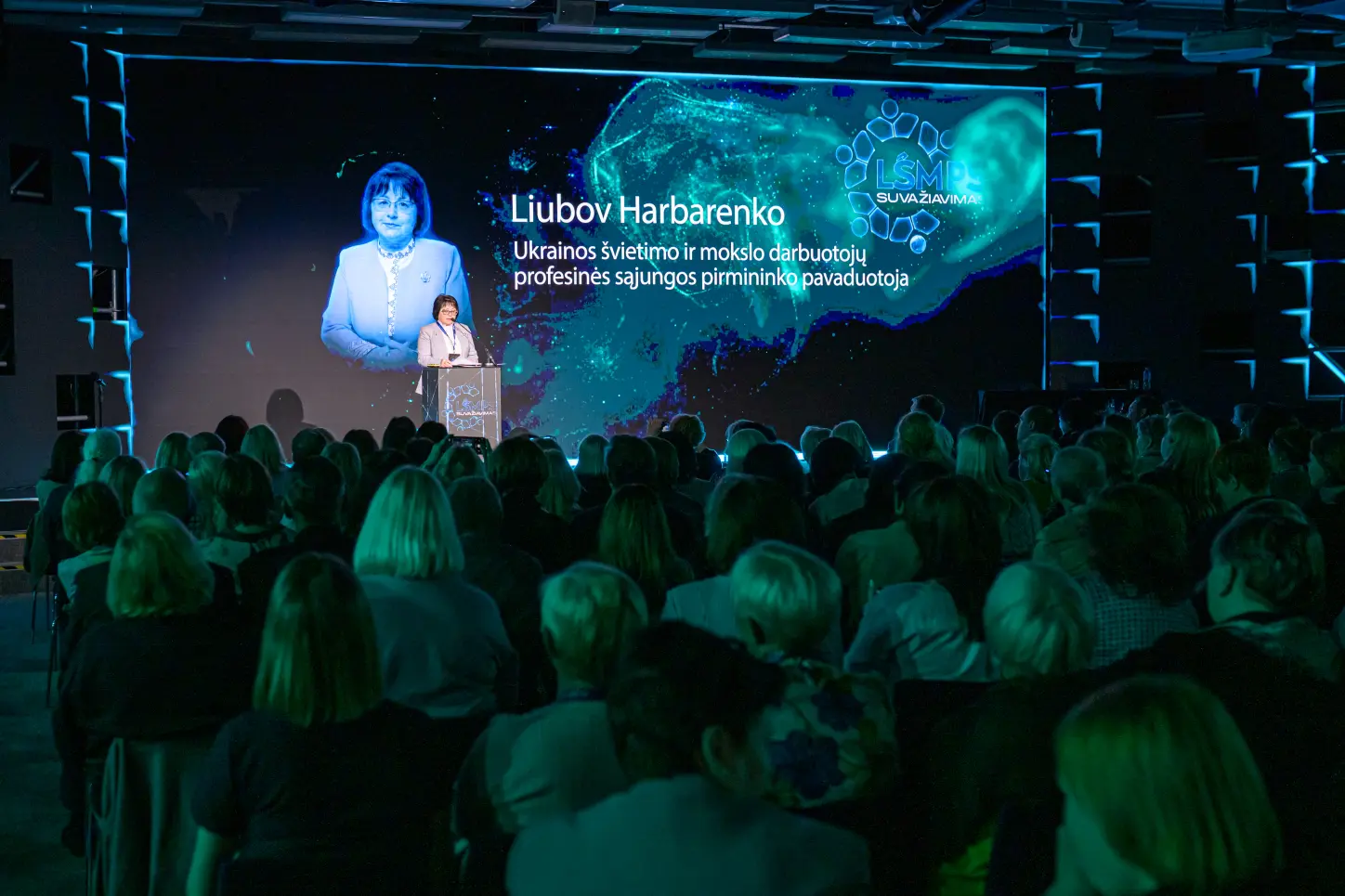
A major milestone was the signing of an official cooperation agreement between Lithuanian and Ukrainian education unions. Liubov Harbarenko, Deputy Chair of the Trade Union of Education and Science Workers of Ukraine, thanked LŠMPS for its unwavering solidarity.
The partnership includes knowledge sharing, joint international projects, and summer camps for children of Ukrainian education workers, organized by LŠMPS for four consecutive years.
Dalia Jakutavičė, interim head of LPSK, emphasized that modern trade unions protect both labor rights and the quality of the public sector. LŠMPS achieves this by balancing principled negotiations with practical modernization.
Digitalisation 3.0: Leadership in Action
Embodying the slogan "Digitalisation 3.0", LŠMPS showcased a proactive approach to technology. Presenter slides and multimedia content were developed with AI tools, underscoring the union’s commitment to actively shaping technological change.
Beyond Bureaucracy: AI’s role extends far beyond administrative tasks or reducing paperwork.
Enhancing Mastery: AI should be a tool that complements teacher expertise, aids daily activities, and unlocks creative possibilities within pedagogy.
Organizational Strength and Continuity
After constructive debates and financial reports, delegates unanimously re-elected Egidijus Milešinas as LŠMPS President for a third four-year term.
LŠMPS represents over 13,000 members, remaining Lithuania’s largest trade union.
The Congress demonstrated that size is the foundation for qualitative leadership, combining rigorous governance with a bold agenda.
LŠMPS leadership reaffirmed its focus on real results through negotiation, social dialogue, and advocacy.
Primary goals for the new term:
Defending the dignity and rights of teachers
Preparing the workforce for digital transformations
Fostering young leadership within the union
A Broadened Mission for the Future
LŠMPS’s modern role centers on four key pillars:
Member Education & Capacity Building: Continuous training, legal and digital literacy, and leadership programs to help members navigate systemic changes.
Modernising the Profession: Improving working conditions and elevating the prestige of teaching.
Strategic Future Analysis: Active expert engagement within ETUCE, Education International (EI), and EU advisory groups.
Social Responsibility: Providing humanitarian aid to the Ukrainian education community and organizing solidarity summer camps for children.
Looking Ahead
The Congress marks a significant cultural shift toward safe, pedagogically sound, and human-centered use of AI. LŠMPS invites teachers to boldly embrace technological evolution, ensuring that digital tools complement, rather than replace, professional judgment. This transition aims to return valuable time to teachers for what matters most: the lived connection with their students.
As the event concluded, delegates reaffirmed LŠMPS’s ambition, not only to defend rights, but to architect educational change that is practical, principled, and prepared for tomorrow’s challenges.